Description
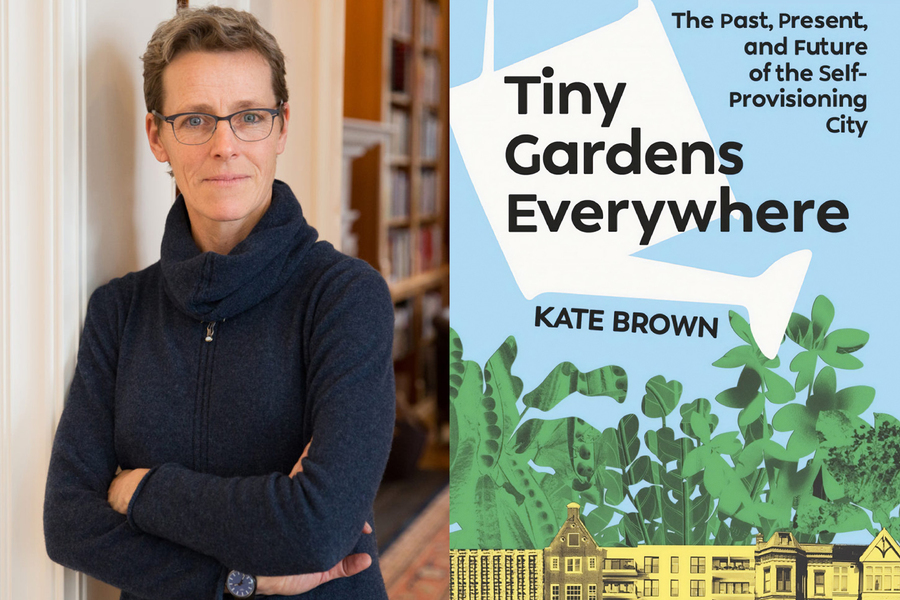
Uncover the radical roots of urban gardening with Kate Brown, author of Tiny Gardens Everywhere (2026).
The history of gardening in European and North American cities in the 20th century is a story about ordinary people working with each other—and with plants and microbes—to cultivate life in the unlikeliest of places. Using the deluge of nutrients that flow into cities, working class gardeners regenerated wasteland, built the first garden city communities, and engaged in the most productive agriculture in recorded human history. Following the plants and microbes, urban gardeners also built mutual aid societies that advocated for equity, social welfare, and rights—rights not to liberty and the pursuit of happiness (who can eat that?) but to food, fuel, and shelter; to well-being for all.
Kate Brown is the Thomas M. Siebel Distinguished Professor in the History of Science at MIT. Her prize-winning books include Manual for Survival: A Chernobyl Guide to the Future (2019), Plutopia: Nuclear Families in Atomic Cities and the Great Soviet and American Plutonium Disasters (2013), and A Biography of No Place: From Ethnic Borderland to Soviet Heartland (2004).
Presented in partnership with City of Cambridge Community Garden Program.