
في صباحٍ مُشرق من أيام سبتمبر، فُتحَت أبواب مُجمَّع مدارس Darby Vassall للصفوف المُتقدِّمة وDarby Vassall والمساحات المجتمعية أمام الطلاب والأسر والهيئات التدريسية — لكن ما حدث كان أكثر من مُجرَّد افتتاح مبنى جديد. إذ كان هذا الافتتاح تتويجًا لما يقارب عقدًا كاملًا من التخطيط والتعاون والاستثمار. وكانت لحظةً استثنائيَّة بكل ما للكلمة من معنى حين عبرت أسرة المدرسة الأبواب الرئيسيَّة التي صُمِّمت خصيصًا لهم لأوَّل مرَّة.
فعلى مدار سنوات، عمل فريق مدرسة Darby Vassall للصفوف المُتقدِّمة من إداريين ومعلِّمين وطلاب في المرحلة المتوسطة في مساحاتٍ لم تُنشأ أساسًا لتلبية احتياجاتهم. وفي الوقت نفسه، كان طلاب Tobin Montessori من دون كافيتيريا ومن دون ساحة لعب كبيرة. إذ لطالما اضطرَّ الطلاب والمعلِّمون إلى التزاحُم داخل صفوف تمَّت تهيئتها على عجل، وأُقيمت مساحات بديلة تُؤدّي وظيفة مختبرات العلوم، وتشاركت المدرسة في استخدام الصالات الرياضية، فيما خُصِّصت للمكاتب زوايا ضيِّقة مُستعارة.
وقال Daniel Coplon-Newfield مدير مدرسة Darby Vassall للصفوف المُتقدِّمة: «على امتداد تاريخ مدرستنا، لم يكن لنا يومًا باب رئيسي خاص بنا. لطالما شعرنا وكأننا رحَّالة مُستأجِرون — لافتاتنا مؤقَّتة، وحضورنا مرحلي، بينما نتشارك المساحات مع أصدقائنا في مدرسة Tobin Montessori وغيرها».
واليوم، لم يعد شعور الرحَّالة قائمًا. فالمبنى الجديد المتطوِّر، الذي تبلغ مساحته 359,100 قدم مربَّعة — وهو معلم بطابع مدني يضمُّ مدرسة Tobin Montessori (316 طالبًا من مرحلة ما قبل رياض الأطفال pre-K حتى الصف 5)، ومدرسة Darby Vassall Upper School (DVUS) (300 طالب في الصفوف من 6 إلى 8)، وبرامج CPS Special Start وDHSP Preschool (أكثر من 80 طفلًا في مرحلة ما قبل المدرسة)، وبرنامج DHSP Community School Afterschool (100 طالب)، إلى جانب مرافق رياضية، ومساحات للفنون الأدائية، وساحات لعب، ومرافق مجتمعية — ما هو إلَّا تعبير عن أمر بالغ الأهمية، ألا وهو: التزام مدينة Cambridge وCambridge Public School District بالاستثمار في المستقبل، ليس لطلاب اليوم فقط، بل للأجيال القادمة أيضًا.
إذ أضاف Coplon-Newfield قائلًا: «وما هذا المشروع إلَّا تجسيد لمعنى الالتزام الحقيقي. فهو ليس التزامًا يصبُّ في إطار الجهود المدنية فحسب، بل هو التزام تعليمي أيضًا. وهو استثمار لا أرى أنَّ بلديات كثيرة تُقدِم عليه. إنَّه تجسيد لاستثمارٍ حقيقي في تعليم مجتمعنا، ينبغي أن نشعر تجاهه بفخر، وألَّا نعتبره تحصيلًا حاصلًا مُسلَّمًا به».
معلم جوهري على مستوى المدينة
مع استبدال المبنى المشيَّد وفق أسلوب العمارة الوحشية (طراز معماري يعتمد الخرسانة المكشوفة ويُعرَف بطابعه الجاف وغير المُزخرف) والذي كان قائمًا عند تقاطع Vassal Lane وConcord Avenue وAlpine Street في West Cambridge، يُقدِّم المرفق الجديد خدماته لما يقارب 1,000 طفل من مختلف أنحاء Cambridge.
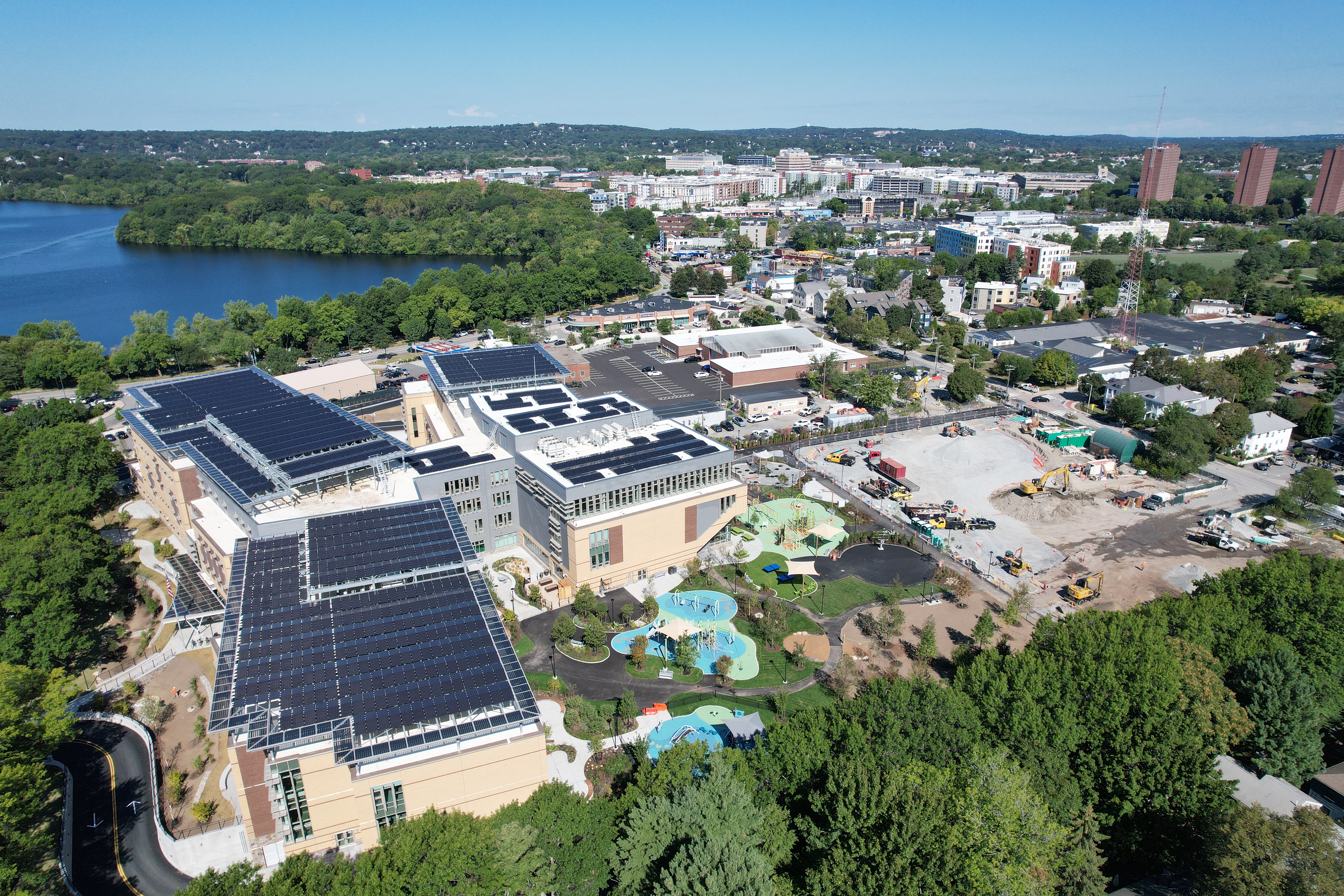
وقد حرصت المدينة على تصميم مكانٍ يعود بالنفع ليس على الطلاب فحسب، بل على المجتمع بأسره أيضًا. كما يلعب المجمَّع دور مركز حيوي للحي، إذ يضمُّ مسرحًا يتَّسع لما يصل إلى 400 مقعد، وصالتين رياضيتين بكامل الحجم والإمكانات، وملاعبًا وساحات لعب، وأكثر من ستة أفدنة من المساحات الخضراء العامَّة. وتربط مسارات المشي وركوب الدراجات الحرم المدرسي بالشبكة الواسعة للمدينة، ليصبح معلمًا مدنيًا يشعر الجميع بأنهم جزء منه.
وفي هذا الصدد، صرَّحَ Brendon Roy مدير مشروعات البناء الرأسمالية والمشرف على تنفيذ المشروع الجديد قائلًا: «هذا المبنى أكثر من مُجرَّد مدرسة». إنَّه مركز مجتمعي. مكانٌ تلتقي فيه عناصر التعلُّم والترفيه والفنون والحياة المدنية».
وتُرحِّب أربع ساحات لعب مميَّزة — من بينها ساحة مصمَّمة خصيصًا للطلاب من ذوي طيف التوحُّد — بالأطفال من مختلف الأعمار والقدرات للاستفادة من المساحات الخارجية. وتشكِّل الملاعب ماسية الشكل (ملاعب البيسبول)، والملعب المفتوح مُتعدِّد الاستخدامات، ومنطقة الألعاب المائية، قلب الحرم الخارجي للمجمَّع. أمَّا في الداخل، تُوفِّر الصالتان الرياضيتان والمسرح المتطوِّر مساحات يجتمع فيها الطلاب وأفراد المجتمع كمكان للقاءات ومشاهدة العروض والقيام بالأنشطة المشتركة.
وتضمن الأعمال الفنيَّة العامَّة وخيارات التصميم الموجَّهة للمجتمع كجزء من النسيج المدني المحيط به أن يبقى المبنى جزءًا من الحي الذي ينتمي إليه، لا بناءً يُغرد خارج السرب. وتُسهمِ أعمال تنسيق الموقع، والمسارات الجديدة، والبنية الخضراء في دمج المدرسة بانسياب كامل بنسيج West Cambridge.
تصميم نابع من رؤية مدروسة
يُجسِّد كل تفصيل في المبنى سنوات من التخطيط الهادف لتلبية الاحتياجات المرتبطة بنمو الطلاب وتطوُّرهم باختلاف طبيعتها. إذ يدعم التصميم رحلة التعلُّم المناسبة لمختلف المراحل العمرية من خلال مساحات توازن بين الاستقلالية والدعم. فالطلاب في المرحلة المتوسطة يستفيدون من صفوف مرنة تشجِّع التعليم التشاركي وممرات أوسع تقلِّل الازدحام، بينما يتعلَّم طلاب المرحلة الابتدائية في بيئات تحتفي بمبادئ Montessori (القائمة على التعلُّم الذاتي، والأنشطة العملية، والبيئة الصفّية المصمَّمة لتعزيز الاستقلالية).
وصرَّحت Jaime Frost مديرة مدرسة Tobin Montessori قائلةً: «لأنَّنا شاركنا في كل مرحلة من مراحل التصميم، استطعنا تضمين احتياجات كادرنا وطلابنا، إلى جانب العناصر التي تُسهِم في تطوير أساليب تعلُّم الأطفال وتوفير أفضل دعم ممكن لهم.
وعلى امتداد المبنى، تلعب المساحة المركزية المعروفة باسم «قلب المدرسة النابض» دور نقطة التقاء رئيسيَّة تُشجِّع على التواصُل وتُعزِّز روح التعاون.
ويستمدُّ نظام الإرشاد البصري داخل المبنى إلهامه من التاريخ الطبيعي لمدينة Cambridge. فكل منطقة في المبنى تستوحي طابعها من العناصر الأربعة — الأرض والهواء والنار والماء — ومن الخصائص البيئيَّة للموقع، بما يعزِّز إحساسًا أقوى بالانتماء للمكان لدى الأطفال. وتُسهِم عناصر التصميم الحيوي، والإضاءة الطبيعية الوفيرة، والإطلالات الواسعة على المساحات الخارجية، في تعزيز رفاه الأطفال وتشجيعهم على النظر إلى مبناهم بوصفه أداة تعليمية حيَّة.
ويستحضر مزيج الطوب والمعدن في الواجهة الخارجية تاريخ الموقع الذي كان يُستخدَم لاستخراج الطين، فيما تُجسِّد الرؤية الشاملة لفكرة «مدرسة في ربوع منتزه» اندماج المبنى بوظيفته العامَّة مع محيطه الطبيعي في تآلفٍ تام.
استثمار في المستقبل
يُجسِّد هذا المشروع في جوهره التزام Cambridge الطَموح بمبادئ الاستدامة. وبصفته مصمَّمًا لتحقيق الحياد الكربوني في إطار Net Zero Action Plan (خطَّة العمل لتحقيق الحياد الكربوني) الخاصَّة بالمدينة، من المُتوقَّع أن يصبح أكثر مباني المدارس كفاءة في Cambridge من حيث استخدام الطاقة.
إذ توفِّر مضخَّات الحرارة الأرضية والهوائية التدفئة والتبريد، بينما يولِّد السقف المُغطَّى بألواح الطاقة الشمسية ما يقارب 1.1 مليون كيلوواط ساعي سنويًا — وهو مقدار يكفي لتغطية استهلاك المبنى من الكهرباء.
وتتيح البنية التحتيَّة لمواقف السيارات تحت الأرض دعم الشحن الكهربائي بنسبة 100% للمركبات، بينما تبقى المساحة على سطح الأرض خالية من السيارات، ليُتاح المجال للمساحات الخضراء، والملاعب، ومسارات المشاة. وبحلول عام 2035، سيُضاعِف الحرم المدرسي مظلته الشجرية ثلاث مرات، متجاوزًا مُتطلَّبات الأنظمة المعمول بها في المدينة، ومعزّزًا رؤيةً للمدرسة تتناغم أنفاسها مع الطبيعة.
ويمثِّل الموقع أيضًا نموذجًا حقيقيًا للقدرة على التكيُّف والصمود في مواجهة تحديات تغيُّر المناخ. فقد رُفِع مستوى الطابق الأرضي فوق مستوى الفيضانات المُتوقَّعة حتى عام 2070، مع إضافة خزان تحت الأرض بسعة 1.25 مليون جالون يعمل مع الحدائق المطرية (منخفضات طبيعيَّة في الأرض تُزرَع بنباتات محلية قادرة على تحمُّل الرطوبة العالية، مُصمَّمة خصيصًا لتجميع مياه الأمطار المتدفقة من الأسطح والممرات، وتسمح لها بالتسرُّب تدريجيًا إلى التربة) ومجاري التصريف الحيوية (قنوات مزروعة تُوجِّه مياه الجريان السطحي وتساعد على امتصاصها وتنقيتها) على جمع مياه الأمطار وإعادة استخدامها في ريّ حقول الملاعب الرياضية وغيرها من الاستخدامات.
وشكَّلت السلامة البيئية للمواد محورًا أساسيًا في التصميم، إذ إنَّ كل عنصر مختار يلبِّي معايير Living Building Challenge الصارمة، وخالٍ من المواد الكيميائية المُصنَّفة ضمن «قائمة الحظر». كما تُراقَب جودة الهواء الداخلي على نحوٍ مستمر، من خلال نوافذ قابلة للفتح تلقائيًا مرتبطة بالنظام الميكانيكي الآلي للحفاظ على كفاءة استخدام الطاقة وتعزيز الصحَّة والسلامة.
ومن المتوقَّع أن يحصل المبنى على شهادة LEED Platinum (أعلى مستوى في شهادة «الريادة في تصميمات الطاقة والبيئة»، وهي شهادة دولية للمباني الخضراء تُمنَح للمشاريع التي تُحقِّق أعلى معايير الاستدامة)، ممَّا يرسِّخ معيارًا جديدًا للهندسة المدنية المستدامة.
وفي هذا الصدد، صرَّح Roy قائلًا: «هناك الكثير من البلديات التي تبني مدارس جديدة». لكن قلَّةً قليلة منها تُقدِم على هذا النوع من الاستثمار — باستيعاب يسمح بزيادة أعداد الطلاب مستقبلًا، وبالإبقاء على الاستدامة البيئية والقدرة على التكيُّف في مواجهة التحديات والتغيُّرات على رأس قائمة الأولويات، وبالالتزام بتصميم يُجسِّد مدى الاعتزاز بالتعليم والمجتمع».
هوية عصريَّة جديدة ومكان يشعر فيه الجميع بالانتماء
وقد اغتنمت أسرة المدرسة هذه اللحظة لإعادة تعريف نفسها. وقد تولَّى طلاب مدرسة Vassall للصفوف المُتقدِّمة آنذاك قيادة عملية اختيار الاسم الجديد، ليكون افتتاح الأبواب لحظةً لبداية جديدة وكتابة فصل جديد في كتاب النجاح، لا مُجرَّد انتقال إلى مبنى مختلف بالمعنى التقليدي. بابٌ رئيسي واسم جديد ومبنى صُمِّم خصيصًا لهم — ترسم هذه العناصر مجتمعةً أساسًا للوحة ألوانها الانتماء والفخر.
وبالنسبة للطلاب والكوادر التدريسيَّة والأُسر الذين سيستخدمون هذا المكان يوميًا، فإنَّ القيمة الرمزيَّة المعنوية للمبنى لا تقلُّ أهميةً عن أدائه التقني.
وفي هذا الصدد، صرَّح المدير Coplon-Newfield قائلًا «هذا المبنى يمنحنا هويةً متكاملة. إذ يمنحنا اسمًا فريدًا وبابًا رئيسيًا خاصًا بنا، ومكانًا يشعر فيه مجتمعنا بالانتماء الحقيقي. لطالما تعايشنا لسنواتٍ طويلة مع حالةٍ من عدم الاستقرار، وكأنَّ كل شي مؤقَّت — أمَّا الآن فنشعر بأنَّنا مستقرّون على الدوام. ولهذا الأمر انعكاسه الإيجابي على كافَّة الجوانب».
وما هذا المبنى في كافَّة تفاصيله إلَّا تأكيدٌ وتذكيرٌ لمدينة Cambridge بما يُمكن تحقيقه عندما تختار المدينة أن تستثمر بإقدام.
الشعور بالامتنان والرؤية المُستقبلية
ولأولئك ممَّن عاشوا سنواتٍ من الانتقال المستمر — ما بين تجهيز الصفوف وتفكيكها، والتعلُّم في مساحاتٍ مُستعارة لم تُنشَئ لهذا الغرض أصلًا، والاعتماد على حلول مؤقَّتة في كل خطوة — كان للحظة الافتتاح هذه وقعٌ وجداني عميق. فهو ليس مُجرَّد بداية عام دراسي، بل بداية فصل جديد في قصة Cambridge.
وقال Yi-An Huang الذي يشغل منصب City Manager في Cambridge: «يُجسِّد هذا المشروع عددًا كبيرًا من قيمنا. إذ يُعبِّر عن مدى إيماننا بالتعليم وبمبادئ الاستدامة وأهمية التأسيس لنكون قادرين على التكيُّف والصمود في وجه التحديات والتغيُّرات وبأهمية المجتمع. وما هذا إلَّا تجسيد لرؤيتنا الواثقة لمستقبل Cambridge».
وفي ذلك الصباح الخريفي، ومع توافد الطلاب عبر الأبواب، بعيون تتأمَّل الصفوف المغمورة بالضوء، والصالات الرياضية الشاهقة، وساحات اللعب الممتدة، بدا ذلك المستقبل قريبًا للغاية.