U.S. flag

An official website of the United States government

Official websites use .gov
A .gov website belongs to an official government organization in the United States.

Secure .gov websites use HTTPS
A lock ( ) or https:// means you’ve safely connected to the .gov website. Share sensitive information only on official, secure websites.

Hero Photo

Outer Huron Safety Improvement Project

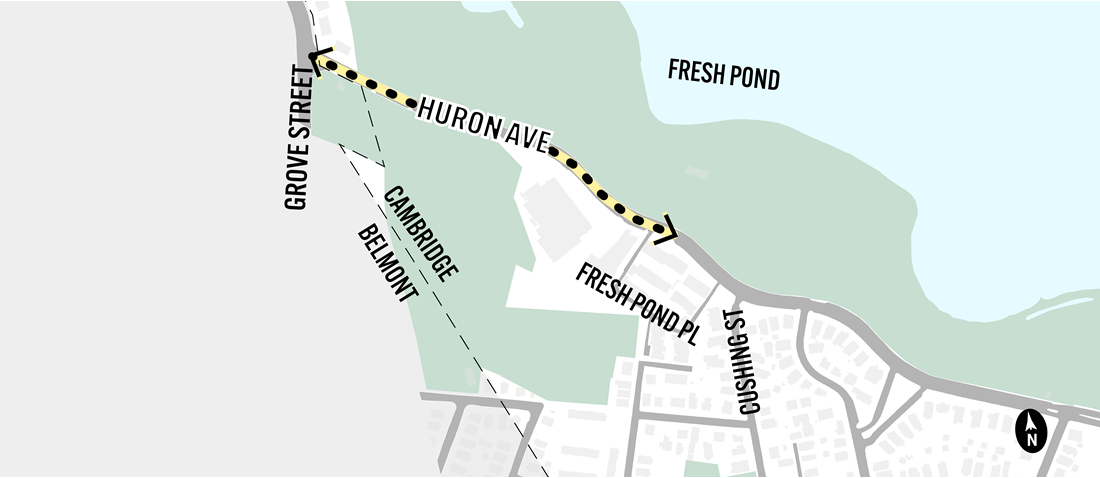
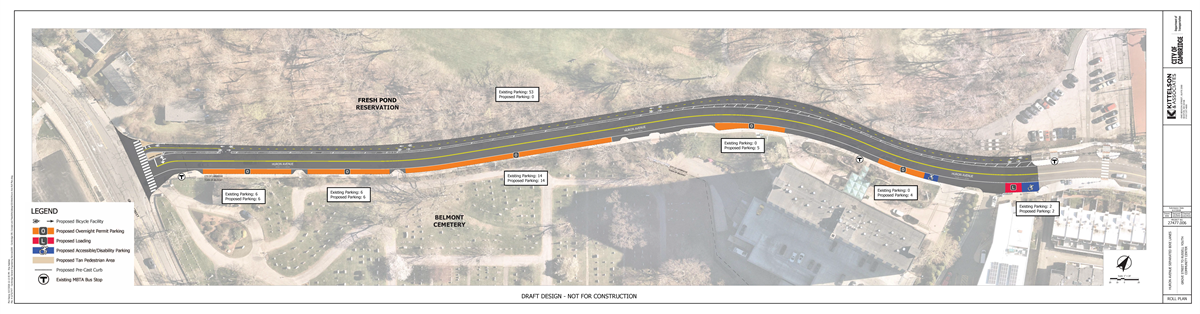
The City of Cambridge is installing separated bike lanes on Huron Ave between the Fresh Pond Reservation and Grove Street.

What to expect:

  • Installation of separated bike lanes: This refers to bike lanes along the curb, separated from vehicles by physical barriers.

  • Changes for people taking the bus and receiving deliveries: Bus stop and loading zone locations may change.

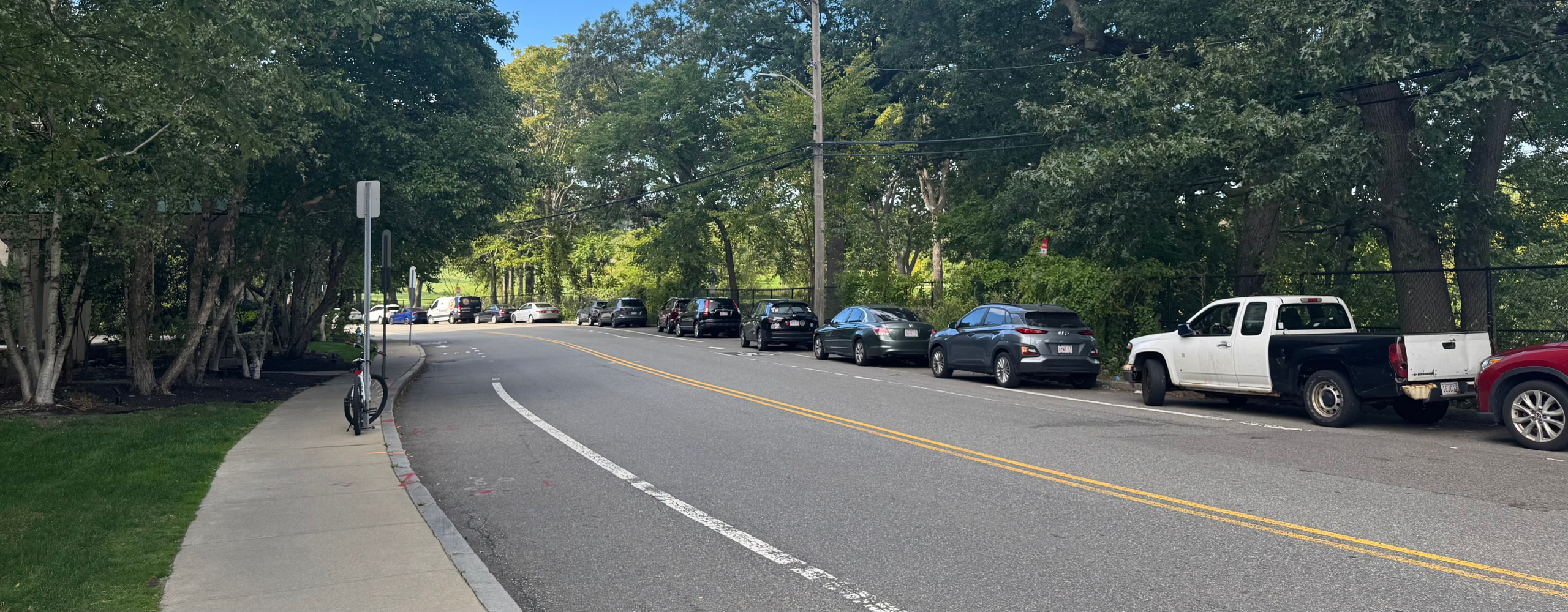
  • Reduce on-street parking: One lane of parking will need to be removed to accommodate the proposed roadway changes. Parking regulations may also change.

These changes will help us meet the requirements of the Cambridge Cycling Safety Ordinance, support our Vision Zero goal to eliminate crashes resulting in fatalities and serious injuries, and bring us closer to realizing the Cambridge Bicycle Network Vision.

Project Scope:

Map of project scope on huron avenure

Get Involved

We want to hear from you! 

Attend our Upcoming Drop-In Open Houses

We're hosting two drop-in Open Houses in December to introduce the project to community members.

Join us December 9 or December 16!

Learn More

Sign Up for Project Emails

Sign up for Outer Huron project email updates to receive timely information on upcoming meetings, project milestones, and other important notices.

Sign Up For Email Alerts

Design Feedback Survey

A new survey is coming soon! Check back for more details.

Set up a 1:1

Our project team is happy to meet with businesses, residents, organizations, and groups. Reach out to schedule a phone call, video chat, or in-person meeting.

Email Project Team
Project Design Concepts 

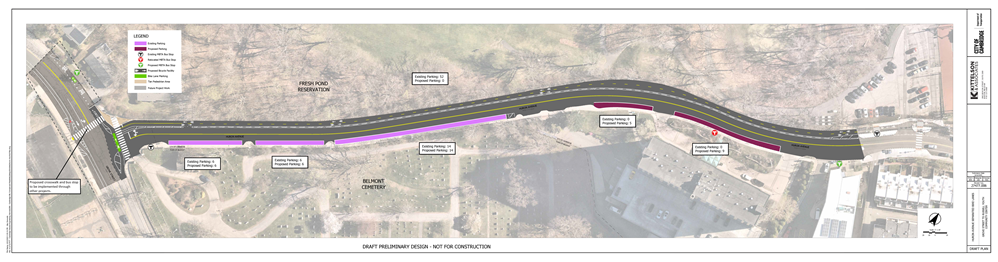
The project team is currently working on preliminary plans for the Outer Huron Safety Improvement Project.
View the plans in greater detail here.

Project Phases

Learn about the full project process, from launch to installation, outlined in four distinct phases.

Phase 1 (We're Here!)
Introduction and Preliminary Feedback

We will explain the goals of the project, present initial data we collected, and review the conceptual street design with the community. To help us improve and refine our design, we will gather feedback on community safety, mobility, parking, and loading needs. This phase involves accepting public feedback via online surveys and meetings and in-person open houses. 
 
Time Estimate: December 2025 to January 2026
Phase 2
Design Advancement

We will use the feedback from Phase 1 to come up with a preferred design that meets project goals and is responsive to community feedback. 

Time Estimate: Winter 2026
Phase 3
Final Feedback

We will present the preferred design to the community, highlighting changes that were made in response to community feedback. There will be opportunities at virtual and in-person meetings to give final comments on the preferred design.

Time Estimate: Spring 2026
Phase 4
Installation

We will finalize the plans based on feedback received in Phase 3 and coordinate with other Cambridge departments and our contractors on the installation timeline. Then, we will install the project! Installation updates will be communicated to the public via the project email list.  

Time Estimate: Summer to Fall 2026

Upcoming Events

December 16 Open House #2

Join us at the Parkside Place Community Room for a second Open House with the Outer Huron Safety Improvement Project team.

Learn about the latest project plans, ask questions, and share your feedback to help shape safety improvements in your neighborhood.

Tuesday, December 16 from 5:00 - 7:00 PM
Parkside Place Community Room
700 Huron Ave, Cambridge, MA 02138

Past Events

December 2 Virtual Community Meeting

On Tuesday, December 2 from 5:00 - 7:00 PM the project team formally launched the project, shared plans, and answered resident questions.

Watch the Recording Here

View the Presentation Here

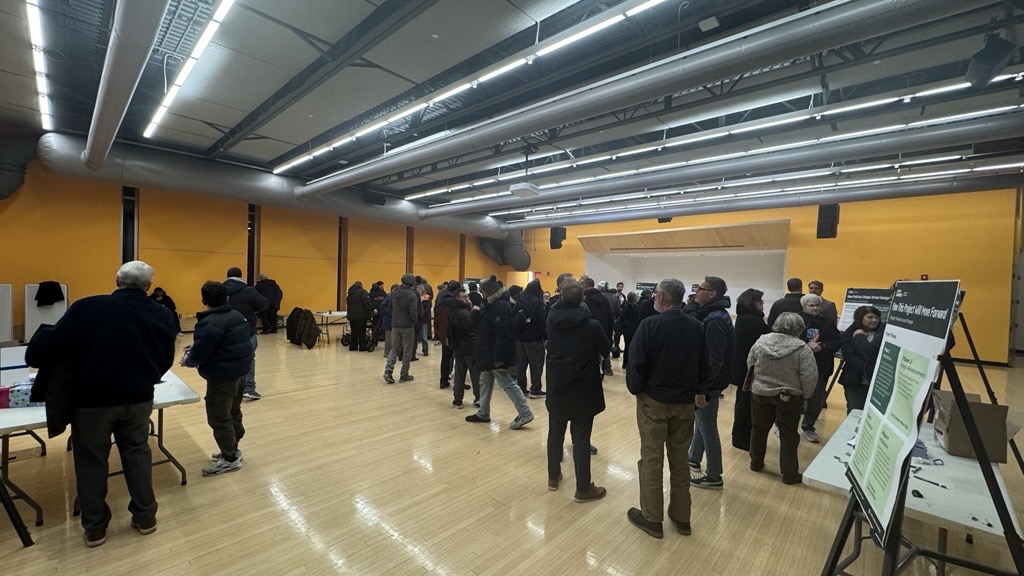
December 9 Open House #1

On Tuesday, December 9 from 6:00 PM to 8:0 PM we hosted the first drop-in Open House with the Outer Huron Safety Improvement Project team at the Russell Youth Community Center.

In this Open House community members learned about the latest project plans, asked questions, and shared feedback.

Meeting Materials 

20-30 people mostly wearing black walking around a gym , boards and tables in the foreground


Outreach and Engagement

Project Emails

Sign up to be the first to know about project meetings, milestones, and installation schedules! Sign up for email updates here

Project Information

November 2025 Draft Roll Plan

View the November 2025 draft roll plan below. View the plans in greater detail here.

Background

The Cycling Safety Ordinance

In 2019, the Cambridge City Council passed the Cycling Safety Ordinance. The 2019 Ordinance requires the City to install separated bike lanes when:

In 2020, the Cambridge City Council passed amendments to the ordinance, requiring the installation of about 25 miles of separated bike lanes within the next five to seven years. The ordinance requires that the City install separated bike lanes on:

  • All of Massachusetts Avenue
  • Garden Street, eastbound from Huron Avenue to Berkeley Street and westbound from Mason Street to Huron Avenue
  • Broadway from Quincy Street to Hampshire Street
  • Cambridge Street from Oak Street to Second Street
  • Hampshire Street from Amory Street to Broadway
  • 11.6 miles in other locations from the 2020 Bicycle Plan

What do separated bike lanes look like?

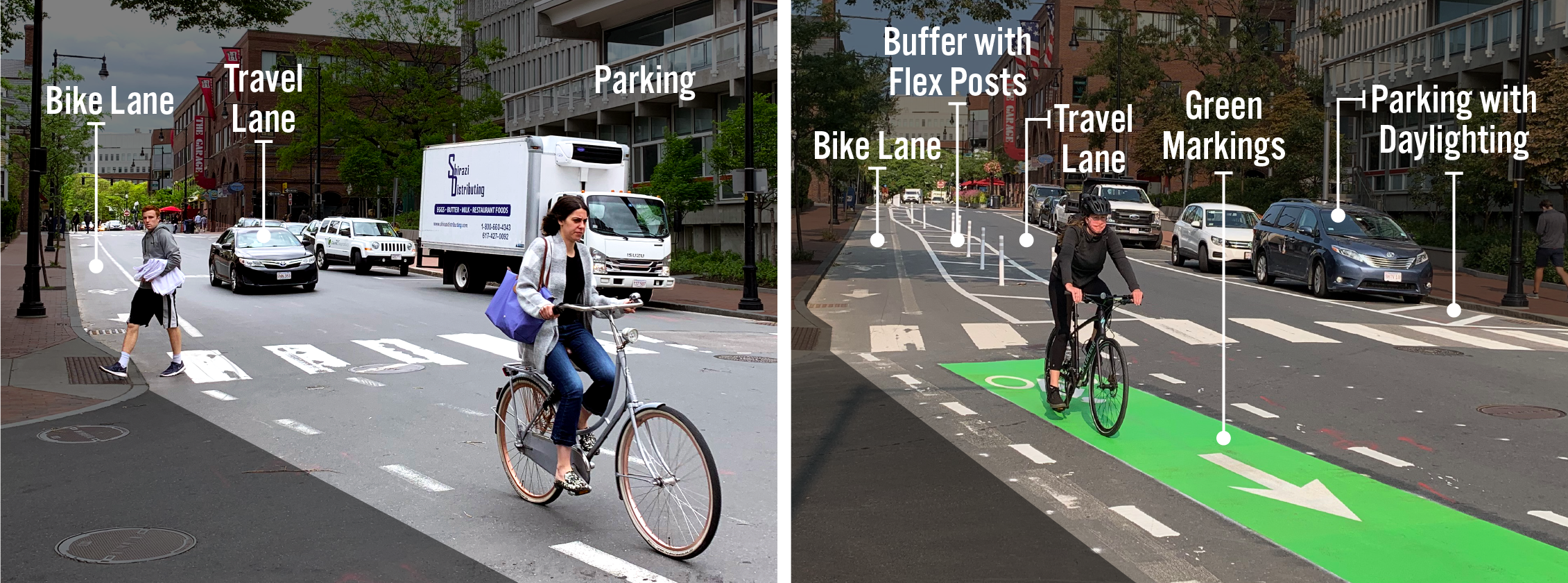
Mt Auburn St at Holyoke St - Before and After

The images below show Mt Auburn St at Holyoke St before and after separated bike lanes were installed as a part of the Inner Mount Auburn Safety Improvement Project.

The left image shows Inner Mt Auburn St with a standard bike lane, travel lane, and a parking lane. The right image shows Inner Mt Auburn St with a bike lane, buffer area with flex posts, a travel lane, a parking lane, and daylighting.

Key Components of Separated Bike Lanes

  • Bike lanes create dedicated space for people who are biking.
  • Buffers (painted lines on the street) create space between people biking and people driving. They help prevent unintentional collisions that could cause serious harm to the people involved. Depending on the location, there may be a parking lane next to the buffer area. In these instances, drivers can use the buffer area to safely get in and out of the car and to load and unload items.
  • Flex posts are placed in the buffer area and serve as a vertical barrier in the buffer area.
  • Travel lanes allow space for people to drive down the street, but can be used by anyone.
  • Green markings help alert people turning from the travel lane that they should look out for people on bikes. These are generally installed at intersections and across driveways.
  • Parking creates space for people to store their vehicles while they are in the area. This part of the street may also be designated as loading zones, which help make it easier for delivery people to do their jobs.
  • Daylighting is when the parking lane is pulled back 20 feet to make it easier for people driving down the street and people waiting to cross the street to see each other. These areas are generally marked with lines on the ground. There may also be flex posts.

Why Install Separated Bike Lanes

Separated bike lanes provide more space and vertical separation between people on bikes and people in cars. More people are comfortable biking in separated bike lanes than in traditional bike lanes or in traffic with cars, buses, and trucks. Separated bike lanes also increase safety for people walking by reducing crossing distances. As we install separated bike lanes, we also look for opportunities to increase visibility at intersections, refresh crosswalk markings, and install appropriate pedestrian crossing signs.

What guides our street design?

In Cambridge, we take a human-centered approach to street design, engineered to prevent errors as much as possible and lessen the impacts of errors when they do happen.

We design for all ages and abilities. This includes:

  • Designing our streets for people who may not have access to a car
  • Designing our streets to protect the most vulnerable road users, like cyclists and pedestrians
  • Creating safe and accessible facilities, including bike lanes, that can be used by a wide range of people

Our focus is on moving people and goods, not their vehicles

  • Biking and riding transit is a more efficient use of limited street space
  • We keep access for trucks and local deliveries, but safely.

Other Streets and Transportation Projects

Looking for information on other streets and transportation projects in the City? Three City departments collaborate on the design, community engagement, installation, and construction for street and transportation improvements: the Community Development Department, Public Works Department, and Traffic, Parking, and Transportation Department.

Contact Us

How can we help?

Please provide as much detail below as possible so City staff can respond to your inquiry:

As a governmental entity, the Massachusetts Public Records Law applies to records made or received by the City. Any information received through use of this site is subject to the same provisions as information provided on paper.

Read our complete privacy statement


Service Requests

Enter a service request via SeeClickFix for things like missed trash pickups, potholes, etc., click here