An official website of the United States government
Here’s how you know
Official websites use .gov A
.gov website belongs to an official government
organization in the United States.
Secure .gov websites use HTTPS A
lock (
) or https:// means you’ve safely connected to
the .gov website. Share sensitive information only on official,
secure websites.
Cambridge City Council Endorses Plant Based Treaty
Published February 23, 2026
Cambridge has joined a growing global movement of cities supporting sustainable, plant-based food systems in order to combat climate change and promote public health. The City Council unanimously endorsed the global Plant Based Treaty, following Los Angeles and 64 other cities around the world. The resolutiondirects City departments to support policies that reduce food-based greenhouse gas emissions and to continue integrating and expanding plant-based food choices in municipal operations, events, and public education.
“The Plant Based Treaty is a global campaign promoting plant-based food systems so that we can live safely on the planet,” said Kimmy Cushman, lead local campaigner and scientific advisor for the Plant Based Treaty group. “Cambridge endorsing is a huge deal.”
Signing on to the Treaty means the City supports national governments coming together to negotiate ways to reduce reliance on animal agriculture, promote plant-based diets, and restore ecosystems to help limit global warming.
“This idea already has very fertile ground in Cambridge. This is an easy win,” said Cambridge Climate Chief Julie Wormser. “There’s strong support from the Council and across City departments to build on the work already happening in public health, sustainability, and community programming.”
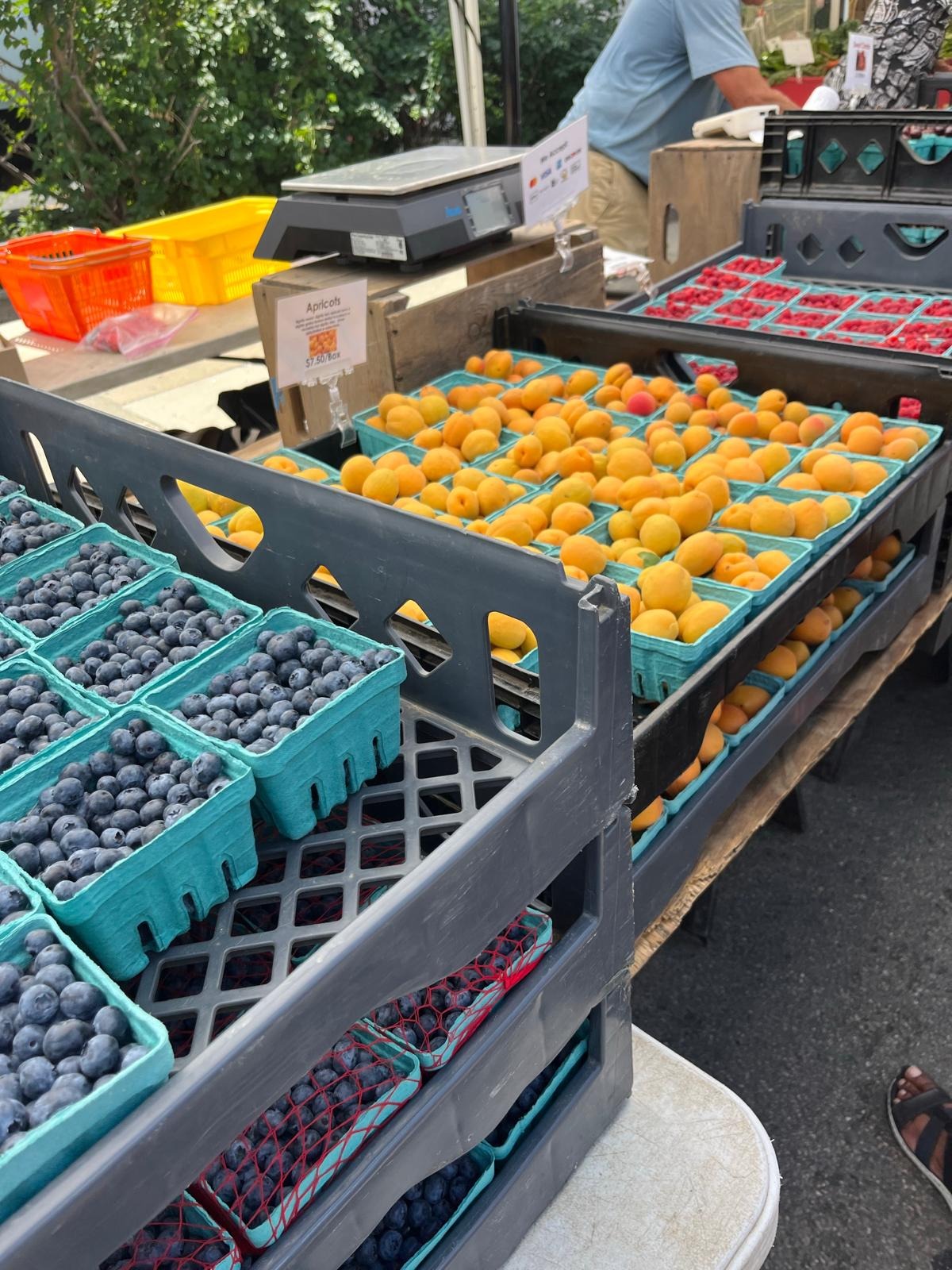
Some of the plant-based options at a Cambridge farmer's market.
Many City events include plant-based food options, and they are integrated into the Cambridge Public Health Department’s nutrition and community-related programming. The department defines these foods as vegetables, fruits, whole grains, legumes, and nuts and seeds. They are usually nutrient-dense, high in fiber, and minimally processed. Norah Ismail, a registered dietitian and the department’s nutritionist, said their programs emphasize equitable choices that are accessible, affordable, and culturally relevant.
“We offer food demonstrations, we offer cooking workshops, we offer nutrition educational sessions, we facilitate and collaborate with Citywide task forces and coalitions, as well as working with our community partners,” she said. “And all of these are intended to expose and support our Cambridge residents and members in finding these different foods and experiencing them.”
“To eat healthily you don’t have to sacrifice things that you enjoy. We take an approach of adding in, rather than taking things out,” she said. “We really want to focus on increasing people's enjoyment of and receptivity to plant-based foods. Giving people direct involvement with their food is one way to do that.”
So her team members hand out packets of seeds and share how people can grow their own fresh herbs. They also suggest recipes that integrate plant-based foods, like a watermelon feta salad. And they tell people about the benefits of plant-based foods, including reducing your chances of heart disease, hypertension, and cancer.
“It's so individualized, especially in Cambridge, with how many diverse populations we work with,” Ismail said. “There's so many different cultural groups, you really have to work with what's comfortable and familiar to them and make it something that's accessible.”
With the endorsement of the Plant Based Treaty, Cambridge has signaled its intention to build on Public Health’s efforts and those happening in departments across the City. By incorporating plant-based food choices more deliberately into municipal operations and public education, the City is adding food systems to the tools it is using to address climate change and support community health.
“Cambridge is definitely a leader in plant-based eating now,” said Hannah Roach, a master’s student at the Friedman School of Nutrition at Tufts University who helped campaign for the Council to endorse the Plant Based Treaty at farmers markets and other events. “We’re hoping that other cities follow their lead.”
Please provide as much detail below as possible so City staff can respond to your inquiry:
As a governmental entity, the Massachusetts Public Records Law applies to records made or received by the City. Any information received through use of this site is subject to the same provisions as information provided on paper.