Planning for an Uncertain Economy
Thursday, September 3, 2026
Cambridge has long benefited from one of the strongest local economies in the country.
For decades, growth in Kendall Square and across the city's commercial districts has helped support public services, invest in infrastructure, and keep residential property taxes lower than they otherwise would be. That success has allowed Cambridge to make significant investments in schools, affordable housing, parks, transportation, climate initiatives, and programs that strengthen the community.
Today, the economic landscape is changing.
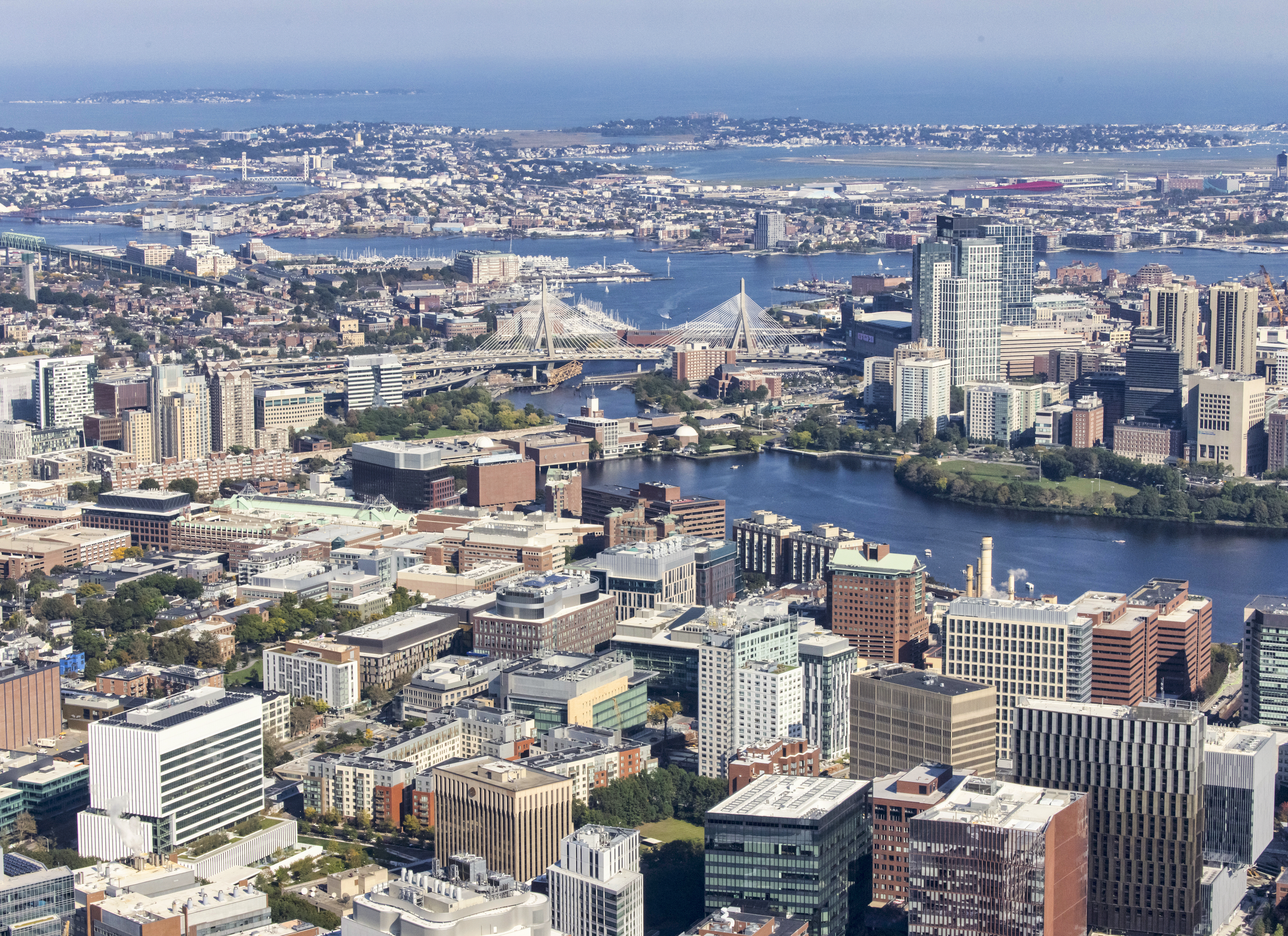
Like many communities, Cambridge is experiencing slower commercial development, higher interest rates, uncertainty at the federal level, and shifts in the life sciences and office markets. While Kendall Square remains one of the world's leading centers for innovation, demand for laboratory and office space has slowed compared to recent years.
These changes don't mean Cambridge is in financial trouble. However, they do mean that thoughtful planning has become more important than ever.
Why Kendall Square Matters
Kendall Square is more than a center for research and innovation. It is also a major driver of Cambridge's economy.
Commercial development generates property tax revenue that helps fund many of the services residents rely on every day, from schools and public safety to parks, transportation improvements, and affordable housing. A strong commercial tax base also helps keep residential property taxes comparatively low.
As commercial growth slows, the City must carefully balance continued investment with long-term financial sustainability.
Planning Beyond the Current Budget
One of Cambridge's greatest strengths is that it plans well beyond a single fiscal year.
Throughout the year, the Budget Office develops and updates financial projections looking at least five years into the future. These forecasts help the City evaluate changing economic conditions, anticipate future challenges, and make informed decisions before problems become more significant.
Planning ahead gives the City options. Instead of reacting to economic changes after they occur, Cambridge can adjust spending, prioritize investments, and prepare for different economic scenarios while continuing to provide the services residents depend on.
Financial Discipline Creates Flexibility
Cambridge's financial stability is the result of decades of careful planning and responsible financial management.
Strong financial policies, healthy reserves, conservative budgeting, and long-term planning have helped the City respond to changing economic conditions while continuing to invest in community priorities.
Strong policies and a disciplined approach allows Cambridge to remain flexible, continue making strategic investments, and maintain one of the lowest residential property tax rates in the region.
Looking Ahead
Economic conditions will continue to change, and no one can predict exactly what the future will bring.
What Cambridge can do is continue planning carefully, making thoughtful financial decisions, and investing strategically so the City remains well positioned for whatever comes next.
That's the approach reflected in the FY27 Budget by balancing today's needs with tomorrow's opportunities while maintaining the financial strength that residents have come to expect.