Every budget is guided by a simple question: What matters most to our community?
In Cambridge, the answer comes from many places. Residents share ideas through public meetings, surveys, and programs like Participatory Budgeting. City departments identify emerging needs and opportunities. And the City Council establishes priorities that guide the City's work and help shape both the Operating and Capital Budgets.
In February 2026, the City Council adopted an updated set of priorities that serve as the framework for the FY27 Budget. Organized around five broad focus areas, these priorities help ensure that public investments reflect the needs, values, and long-term goals of the Cambridge community.
Here's how those priorities come to life in this year's budget.
Housing and Zoning
Expanding Housing Opportunities
Housing remains one of Cambridge's greatest challenges, and the FY27 Budget continues the City's long-standing commitment to expanding housing opportunities while helping residents remain in the community they call home.
The budget supports affordable housing development and preservation, homelessness prevention, and programs that help residents find and maintain stable housing. It also continues investments that increase housing opportunities for low- and moderate-income households, older adults, and residents with disabilities.
This year also marks an important organizational change. Housing and homelessness programs that were previously managed across three departments have been brought together into a unified Housing Department. By consolidating these services, the City aims to improve coordination, simplify access for residents, and strengthen its ability to respond to housing needs.
The City continues to advance housing policy reforms, including zoning updates, parking reforms, and future improvements to inclusionary housing requirements and permitting processes. Together, these efforts are designed to expand the City's housing pipeline and create more opportunities for people to live in Cambridge.
Economic Opportunity and Equity
Supporting Local Businesses and an Inclusive Economy
Small businesses are an essential part of what makes Cambridge unique. They create jobs, strengthen neighborhoods, and contribute to the City's economic vitality.
The FY27 Budget continues investments that help entrepreneurs start, grow, and adapt through storefront improvement grants, technical assistance, e-commerce support, marketing assistance, and community activation programs such as Cambridge Plays and NITES.
The City is also expanding efforts to support women-owned and historically disadvantaged businesses. Procurement training, supplier diversity initiatives, and targeted outreach are helping create more opportunities for businesses to compete for City contracts and succeed over the long term.
At the same time, Cambridge is planning for an economy that continues to evolve. Slower commercial development, changes in the life sciences sector, federal uncertainty, and shifts in the labor market all present new challenges. The City is working closely with employers and business leaders to support long-term economic resilience while maintaining Cambridge's position as one of the world's leading innovation hubs.
Transportation
Building a Safer and More Connected City
Whether residents walk, bike, take public transit, or drive, transportation affects everyday life.
The FY27 Budget continues investments that improve safety, expand transportation choices, and strengthen connections across the city.
Projects include continued improvements to Linear Park and the Grand Junction Multiuse Path, along with design work for a future pedestrian and bicycle bridge connecting the Rindge Avenue neighborhood with Danehy Park and nearby commercial areas.
The City is also working closely with the MBTA to improve transit service through the Better Bus Network redesign while studying ways to improve shuttle service and reduce bus delays. Planned bus stop upgrades will improve accessibility and rider comfort, while ongoing MBTA investments in the Red Line will continue improving reliability for transit users.
Sustainability and Climate Resilience
Preparing for a Changing Climate
The FY27 Budget continues Cambridge's commitment to reducing greenhouse gas emissions while preparing the community for the impacts of climate change.
This is the first year that all the electricity used by the City of Cambridge for municipal operations is at net zero for greenhouse gas emissions - a major milestone in the City's Net Zero Action Plan.
Additional investments include expanding public electric vehicle charging, supporting the electrification of the municipal fleet, and modernizing energy infrastructure.
The budget also includes significant investments in sewer and stormwater improvements that will reduce flooding, improve water quality, and strengthen the City's resilience during increasingly frequent severe weather events. Ongoing collaboration with Somerville and the Massachusetts Water Resources Authority, along with expanded community engagement, will help guide future stormwater and combined sewer overflow improvements.
Government Performance and Council Performance
Building a More Transparent and Engaged City
Good government depends on more than responsible financial management. It also depends on transparency, accountability, and meaningful public participation.
Throughout the FY27 budget process, the City Council held a series of public meetings examining economic conditions, operating and capital budgets, federal funding, departmental priorities, and long-term financial planning. These discussions provided residents with greater insight into how decisions are made and how public dollars are invested.
This year, the Budget Office also introduced Budget Walk Through sessions that gave residents an opportunity to learn how the budget is developed, understand how priorities shape spending, and ask questions directly to City staff.
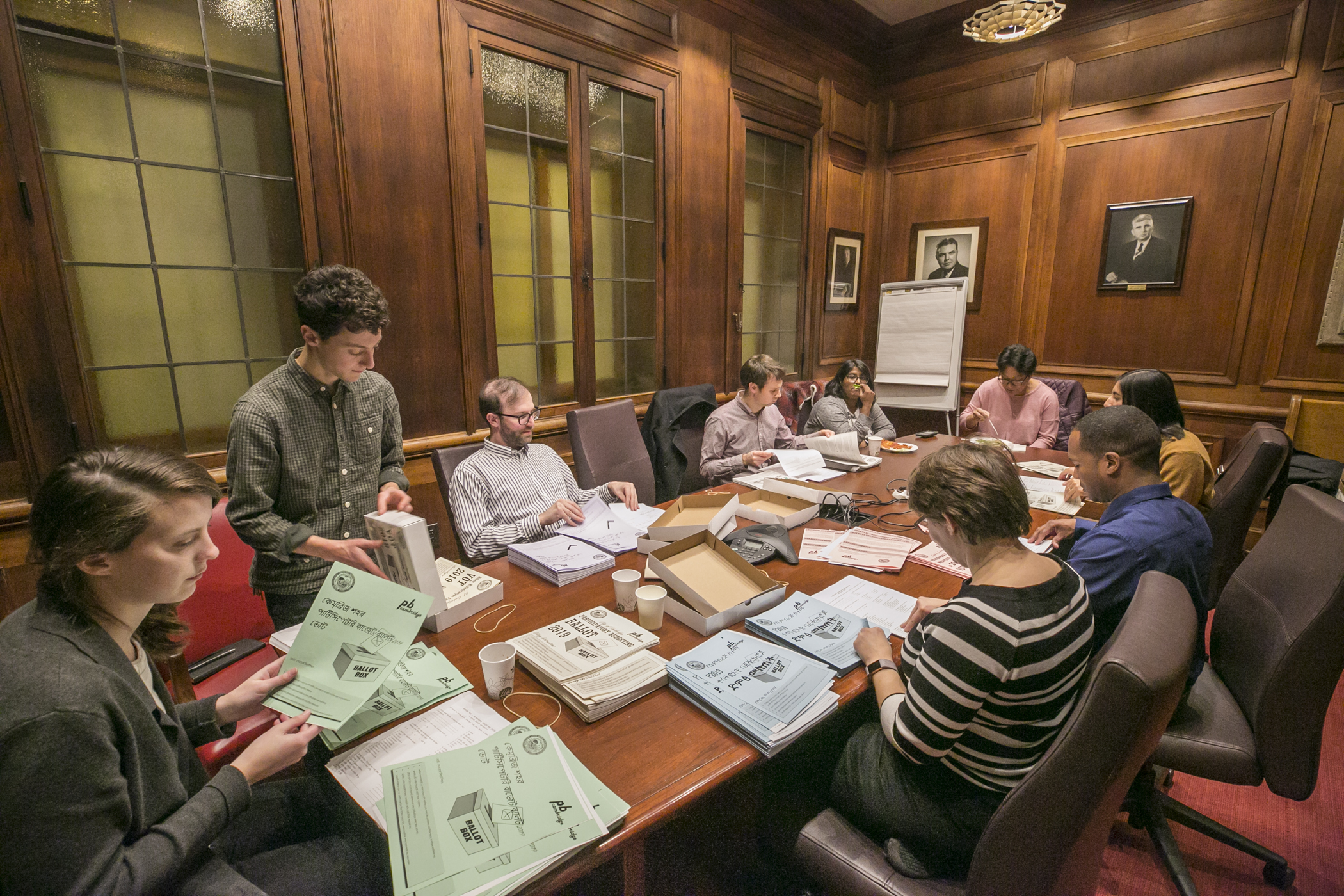
These efforts build on Cambridge's long-standing commitment to public participation through Participatory Budgeting. Since 2014, residents have proposed ideas, helped develop projects, and voted to direct more than $11 million toward over 80 community projects across the city.
Together, these initiatives help ensure that residents are not only informed about City decisions, but have meaningful opportunities to help shape them.